Among the most pressing issues of our time are climate change, rapid urbanization, global warming, and lifestyles increasingly disconnected from nature. These realities are reshaping the very foundations of design. As human needs evolve, design approaches are gaining a stronger orientation toward harmony with nature and environmental responsibility.
The concept of sustainable and ecological design has been steadily gaining strength since the 1980s. This approach, which unites ecology, natural sciences, and technology under one roof, is no longer just a matter of aesthetics or personal preference; it is now considered a vital necessity for the future of coming generations.
In this article, we will touch upon the core principles of ecological and sustainable design, while exploring how the interaction between humans and nature reflects on our living spaces. Let us first take a closer look at the concept of sustainable design.
What is Sustainable Design?
At its core, sustainable design seeks to meet our needs while preserving natural resources and avoiding harm to ecosystems. Often referred to as nature-friendly design, life-cycle design, or eco-friendly design, this approach aims to minimize the negative impacts of products on the environment. For instance, using durable and recyclable materials not only protects nature but also extends the lifespan and performance of products.
The concept of the *life cycle* plays a crucial role in this understanding. Every stage of a product—from raw material selection, production, transportation, use, and maintenance to end-of-life—is evaluated in terms of sustainability. In this way, products that cause the least environmental damage and provide the most benefit can emerge.
DoLiving Spaces in Harmony with Natureğa ile Uyumlu Yaşam Alanları
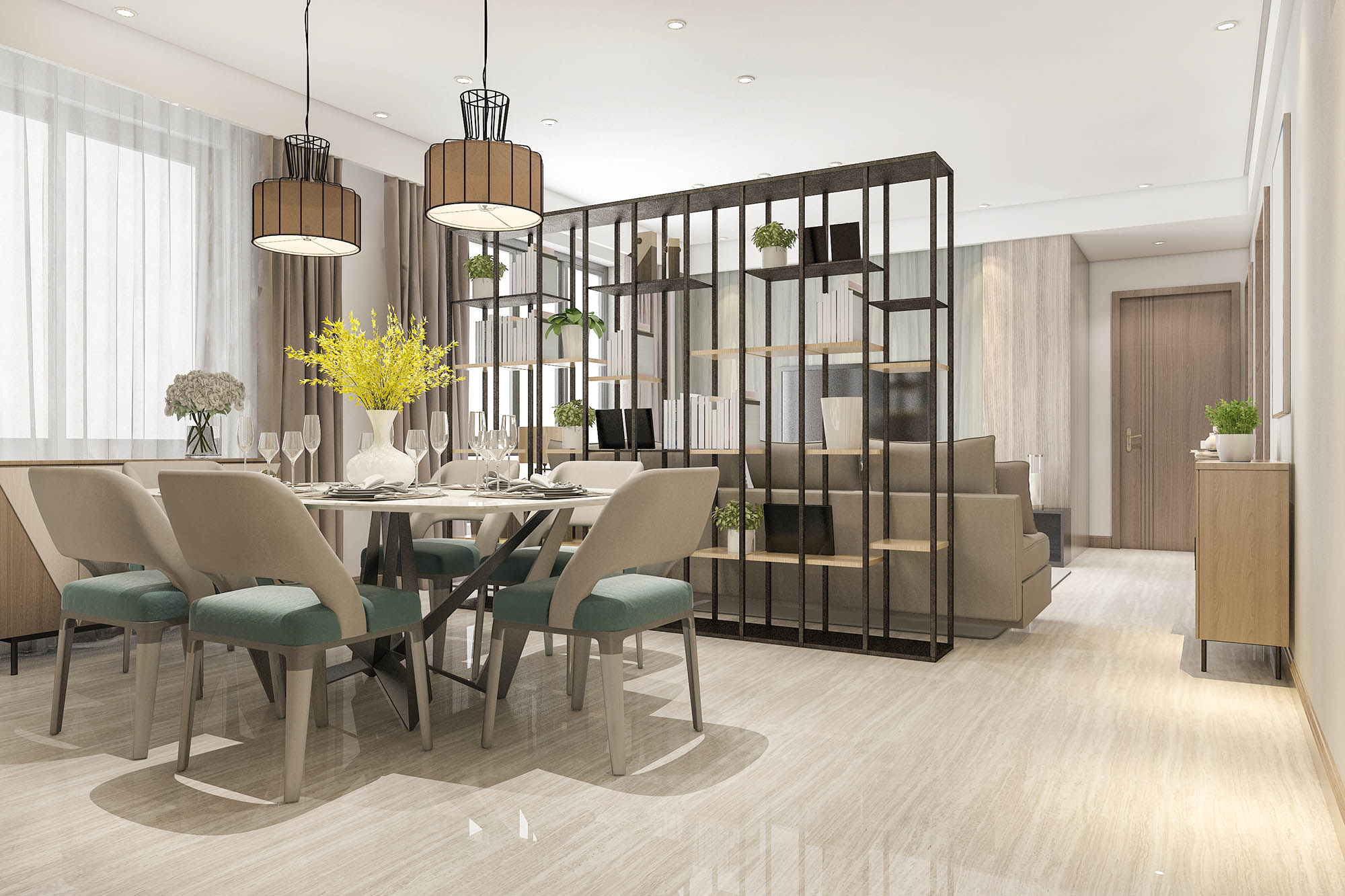
Sustainability is not only about the environment but also about social and behavioral continuity. Spaces built with natural materials protect our health while enhancing our quality of life. Projects that highlight human–nature interaction address not only today’s needs but also those of the future.
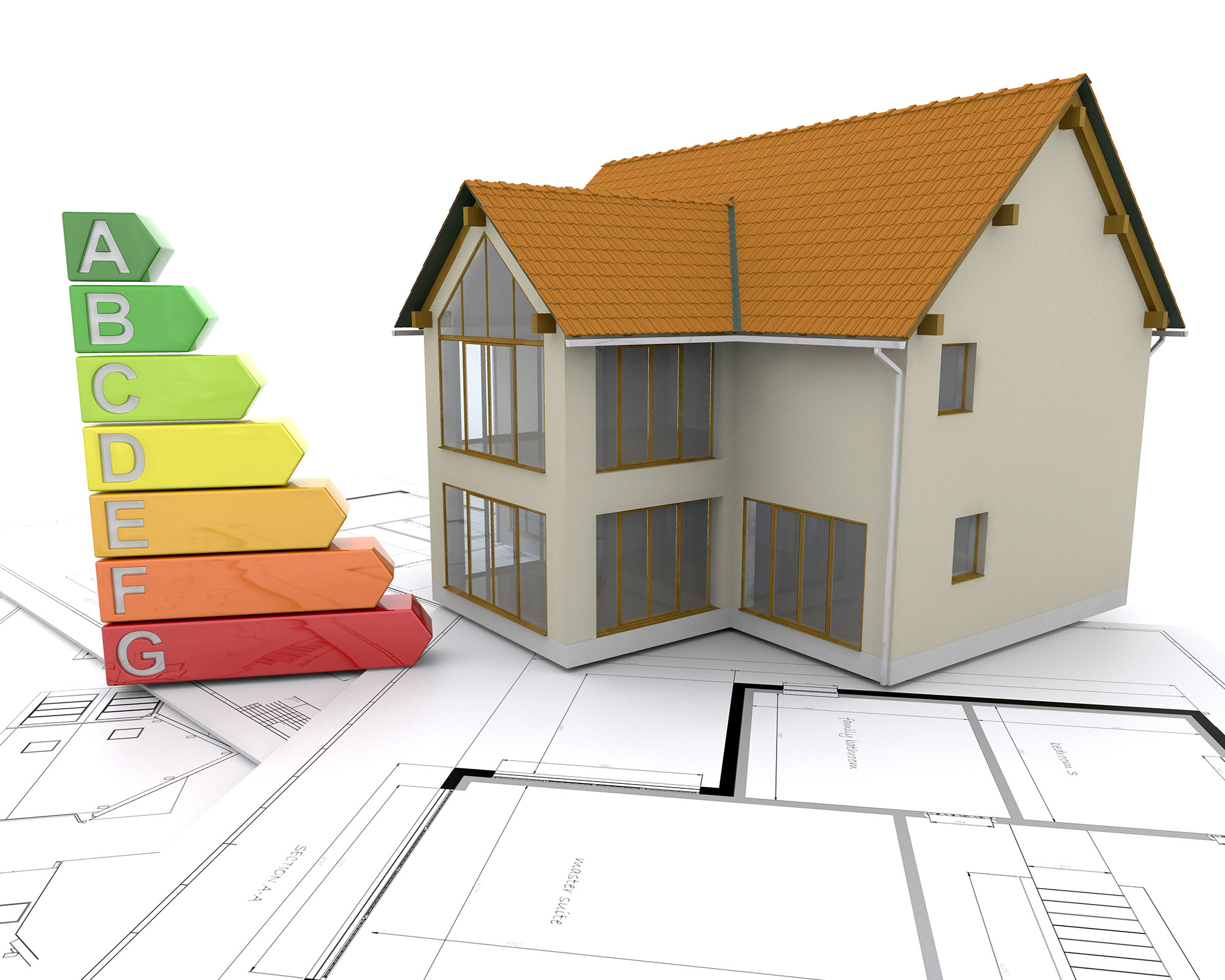
For this reason, ecological design extends its influence across a wide spectrum—from cities and buildings to transportation systems and energy use. Every step, from natural materials to energy-efficient systems, from eco-friendly transportation alternatives to compact urban planning, contributes to building a greener and more sustainable world.
A Responsibility for the Future
Ecological and sustainable design is not merely a trend; it is a necessity for our shared future. The steps we take today will define the quality of life tomorrow. Therefore, embracing a design approach that works in harmony with nature stands before us as both an individual and a collective responsibility.